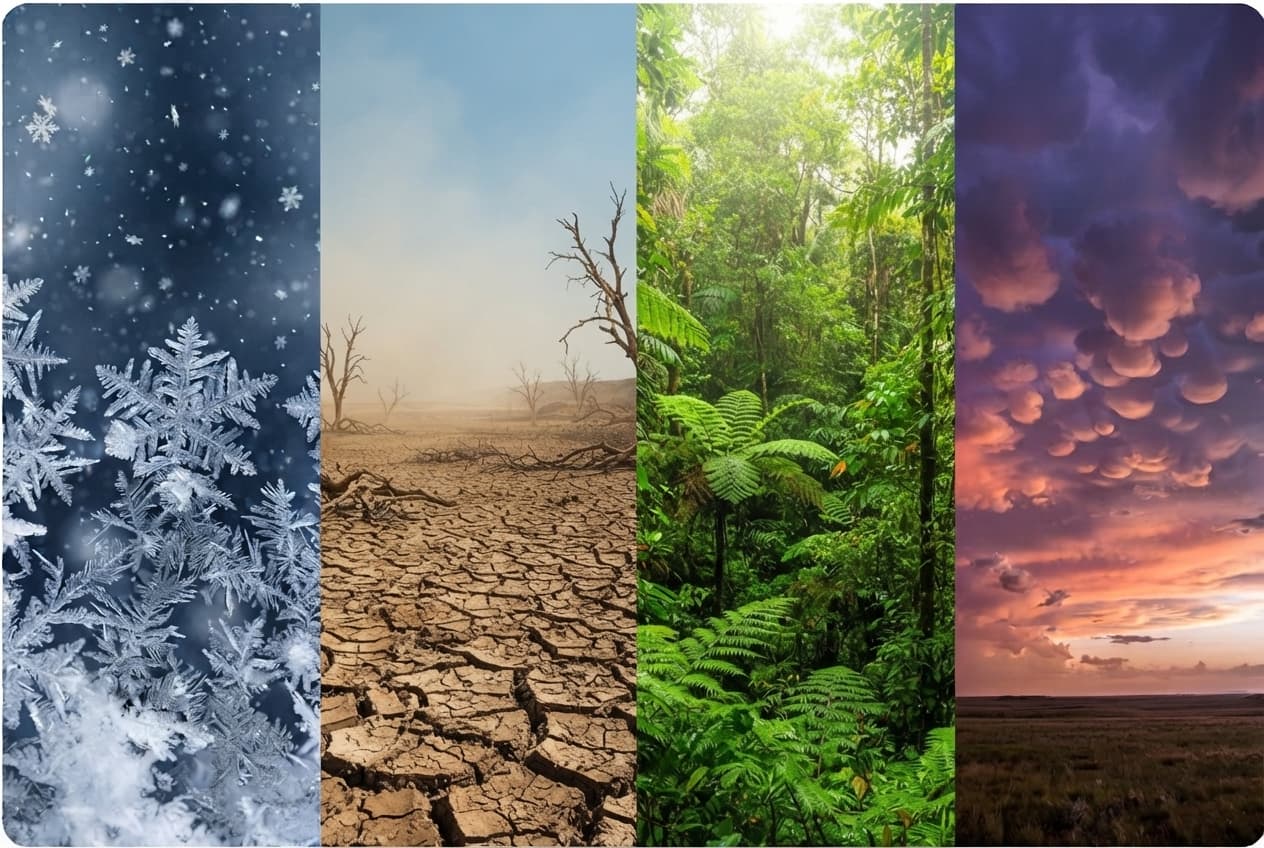
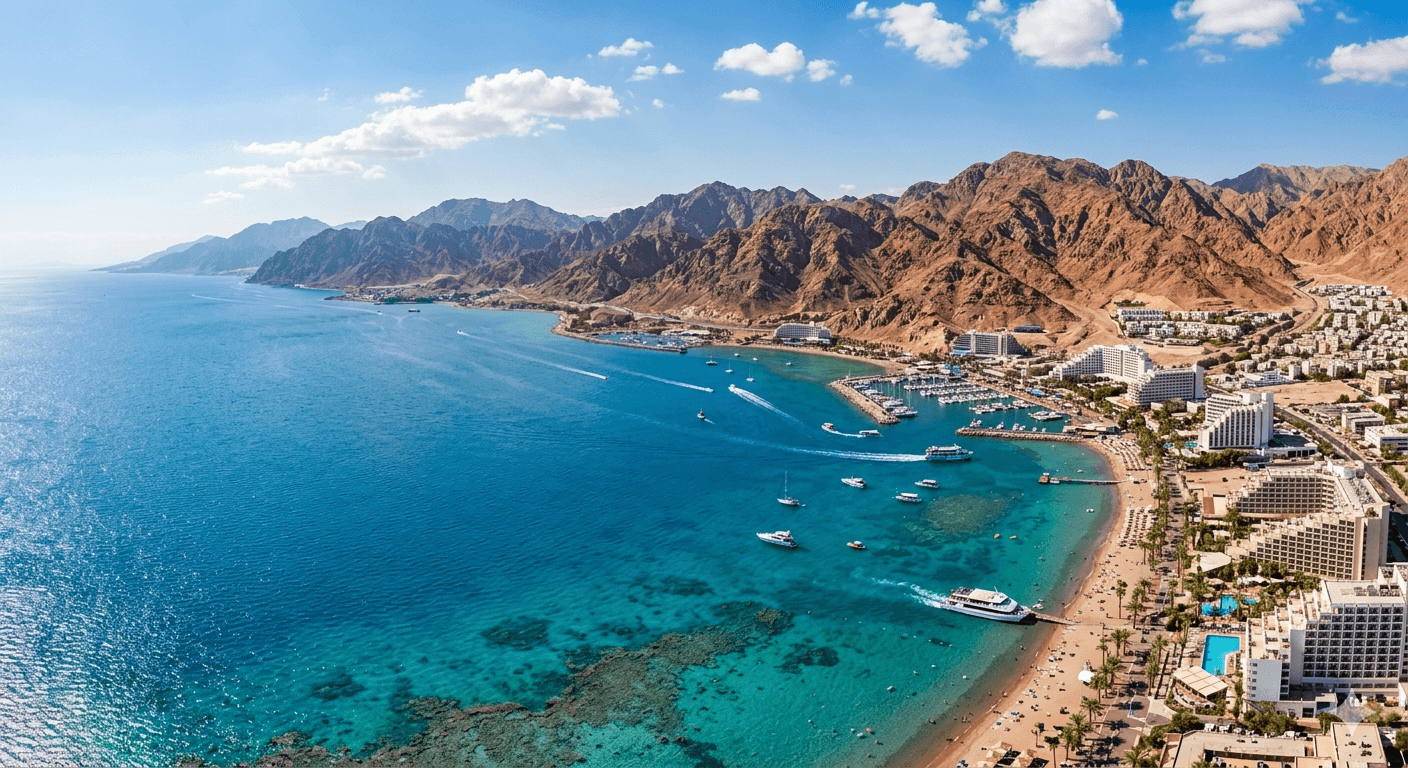
England is in the middle of its fifth heatwave of the summer, so when a listener sent me a report from Israel's Meteorological Service, I knew exactly what this episode had to be about. We talk about heatwaves, droughts and wildfires, how the weather shifts from snow in Tzfat to sunshine in Eilat, and what an unusually strong El Niño could mean for rain in Israel this winter.
02:29What officially counts as a heatwave in England
04:04Why England isn't built for this kind of heat
05:02Is it because of Climate Change?
07:13How the weather changes across Israel
09:45The Carmel Market in the middle of summer
10:55So what actually is El Niño?
12:18What it could mean for rain in Israel
13:11Wrap-up
Vocabulary from this episode
Tap a word to see it in context.
01
מזג האוויר
mézeg ha-avír
the weather
02
שינויי אקלים
shinuyéi aklím
climate change
03
גל חום
gal chom
a heatwave
04
בַּצוֹרֶת
batzóret
a drought
05
שריפות יער
srefót yá'ar
forest fires, wildfires
06
שִׁיטָפוֹן
shitafón
flooding
07
לַח
lach
humid
08
גְבָעוֹת
geva'ót
hills
09
מזגן
mazgán
an air conditioner
10
צָפוּף
tzafúf
crowded, packed
11
להתעלף
lehit'aléf
to faint
12
תופעת טבע
tofa'át téva
a natural phenomenon
Frequently asked
Full transcript
Hello everyone, and welcome to a new episode of the podcast "Yalla: Learning Hebrew with Steph", a podcast for intermediate Hebrew learners. I'm Steph, and today we're going to talk about a very important subject: the weather and climate change.
Before we start, I want to say a big thank you to Tom. Tom is a listener of the podcast, and he sent me a message with an interesting report from Israel's Meteorological Service. So Tom, this episode is for you! And if you also have an interesting idea for an episode of our podcast, you're welcome to send me a message.
When I read the report about the weather, England was in the middle of a heatwave, and because of that I felt very connected to the subject. So let's talk about the weather, climate change, and something called "El Niño", and how it can affect the weather in Israel.
Okay, so like I said, it's very hot in England right now, and it's been that way for two months. And anyone who lives here knows that this really isn't normal. The British are known for talking a lot about the weather, but usually those conversations are about bad weather, about the rain that doesn't stop and about our rainy summers. But this year, it's completely different.
This summer we had five heatwaves. In England, a "heatwave" isn't just a feeling that it's hot outside, it actually has an official definition. For it to be called a heatwave, the temperature has to pass a certain number for at least three days in a row. And what's interesting is that this number, the one that decides whether there's a heatwave or not, changes from region to region!
For example, for them to say there's a heatwave in the city I live in, the temperature has to reach 27 degrees. But in London the temperature has to pass 28 degrees (by the way, this year the temperature in London even reached 38 degrees!). In the north of the country, on the other hand, where it's usually cooler, it's enough for the temperature to reach 25 degrees for three days for it to officially be called a heatwave.
In my opinion, the hardest thing about this situation isn't the heat itself, it's the fact that the country simply isn't built for heat like this. Almost nobody has air conditioning at home, and there's no air conditioning in most offices, shops or cafés. So when a heatwave arrives, there's just nowhere to escape to: not at home, not at work and not outside. On top of that, buildings in England are built to hold the heat in for the cold winter, but in summer that becomes a problem, because it's very hard to cool the house down.
So every time the weather gets a bit strange, everyone asks: is this because of climate change? This year, the meteorological service agrees that the heatwaves are probably a result of climate change. Right now, almost all of England is in a drought. "Drought" means a situation where no rain falls for a long time. Because there's been no rain for two months already, residents are being asked to save water. And all of this isn't a one-off event, it's something that's starting to happen more and more in recent years.
On top of the drought, there are now big wildfires in Europe. Some of them are considered the worst the region has ever had. Forest fires cause air pollution and damage the local economy. They also destroy animal habitats.
It's important to know that climate change doesn't only cause hot weather, it also affects the weather in winter. It causes very extreme weather: it gets very cold, and a huge amount of rain falls, which creates flooding.
Anyway, we've talked enough about what's happening here in England. Now, let's talk a bit about the weather in Israel. You've probably noticed that it's very different from the weather in England, but did you know that it also changes a lot within Israel itself?
Something that surprised me a lot is that even though Israel is such a small country, the weather there really does change from place to place. For example, if we travel north, to the Galilee region, the weather there is cooler. There's a lot of green nature there, mountains and hills. Cities like Tzfat are so high up that sometimes it even snows there in winter! Who would have believed that hot Israel has snow?
Tel Aviv, on the other hand, sitting on the coast, has completely different weather. The summer there is hot, and most importantly, humid. Because of the humidity, the air sometimes feels really tropical, sticky and heavy. In winter, though, the weather turns cool, rainy and sometimes even stormy.
And then, if we keep going further south, towards the Negev desert and the city of Eilat, the weather changes again! There it's strong heat and completely dry. Almost no rain falls there all year. Even in winter, when there's snow in the north and storms in Tel Aviv, winter in Eilat is simply warm, pleasant and sunny.
I remember that the first time I visited Israel, my husband took me to the Carmel Market in Tel Aviv. It was right in the middle of summer and in the middle of the day. If you've ever been to the Carmel Market, you probably know how busy it is. There are loads of interesting stalls full of food, clothes and gifts, but the place is small and very crowded. Because of the heat that day, I thought I was going to faint. So if you're coming to visit Israel in the summer, my best recommendation is to visit the Carmel Market earlier in the morning, while it's still cool and pleasant.
Now, there's something else this year that you may have heard about, and that's El Niño. This time it's particularly strong, one of the strongest there's been in recent years. So what actually is El Niño? In simple words, it's a recurring natural phenomenon where part of the Pacific Ocean warms up more than usual. It happens every few years, and when it's especially strong, it causes the weather to change all over the world. That means more rain falls in some places, and in other places the weather is drier and there's drought.
El Niño isn't the same thing as climate change. They're different phenomena, but they can influence each other. For example, El Niño causes temperatures to rise above the average, and because temperatures are also rising generally, together their effect is much more significant.
Do you remember the interesting report that Tom sent me from the Israeli Meteorological Service? Well, it says in there how El Niño will affect the amount of rain in Israel. Studies say that a strong El Niño leads to more rain in winter, especially in the centre and south of the country. It could be that this coming winter will be the wettest there's been in recent years. So to my listeners in Israel, and in other places around the world too, I'm sorry, but it looks like we're in for a very wet season!
That's everything for today's episode. Once again, a big thank you to Tom for sending me the report and the message. If this episode interested you, or if you have ideas for more episodes, I'd love to hear from you. You can post a message on my website or comment here on the podcast. As always, you can find the words from the podcast, with examples, and also the transcript in English and Hebrew, on my website. I'll put a link in the podcast description.
Thank you so much for listening to another episode of the podcast "Yalla: Learning Hebrew with Steph", and until next time, take care and keep learning.
שלום לכולם וברוכים הבאים לפרק החדש של הפודקאסט ״יאללה: לומדים עברית עם סטף״, פודקאסט ללומדי עברית ברמת ביניים. אני סטף והיום אנחנו נדבר על נושא מאוד חשוב: מזג האוויר ושינויי האקלים.
לפני שאנחנו מתחילים, אני רוצה להגיד תודה רבה רבה לתום. תום הוא מאזין של הפודקאסט ושלח לי הודעה עם דו"ח (report) מעניין של השירות המטאורולוגי של ישראל, שזה "Israel's Meteorological Service". אז תום, הפרק הזה בשבילך! ואם גם לכם יש רעיון מעניין לפרק לפודקאסט שלנו, אתם מוזמנים לשלוח לי הודעה.
כשקראתי את הדו"ח על מזג האוויר, אנגליה הייתה באמצע גל חום, ובגלל זה הרגשתי שאני מאוד מתחברת לנושא הזה. אז בואו נדבר על מזג האוויר, שינויי אקלים ומשהו שנקרא ״אל ניניו״, ואיך זה יכול להשפיע על מזג האוויר בישראל.
טוב, אז כמו שאמרתי, חם מאוד עכשיו באנגליה, וזה המצב כבר חודשיים. ומי שגר פה, יודע שזה ממש לא רגיל. הבריטים ידועים בזה שהם מדברים הרבה על מזג האוויר, אבל בדרך כלל השיחות האלה הן על מזג אוויר גרוע, על הגשם שלא מפסיק ועל הקיץ הגשום שלנו. אבל השנה, זה שונה לגמרי.
הקיץ היו לנו חמישה גלי חום. באנגליה, ״גל חום״ (heatwave) זו לא סתם הרגשה שחם בחוץ, אלא יש לזה הגדרה רשמית. כדי שזה ייקרא גל חום, הטמפרטורה צריכה לעבור מספר מסוים למשך לפחות שלושה ימים בֶּרֶצֶף. ומה שמעניין הוא, שהמספר הזה שקובע אם יש גל חום או לא, משתנה מאזור לאזור!
למשל, כדי שיגידו שיש גל חום בעיר שאני גרה בה, הטמפרטורה צריכה להגיע ל-27 מעלות. אבל בלונדון הטמפרטורה צריכה לעבור 28 מעלות (דרך אגב, השנה הטמפרטורה בלונדון הגיעה אפילו ל-38 מעלות!). לעומת זאת, בצפון המדינה, ששם בדרך כלל קריר יותר, מספיק שהטמפרטורה תגיע ל-25 מעלות במשך שלושה ימים כדי שזה ייקרא רשמית גל חום.
לדעתי, מה שהכי קשה במצב הזה הוא לא החום עצמו, אלא העובדה שהמדינה פשוט לא בנויה לחום כזה. כמעט לאף אחד אין מזגן בבית, ואין מזגנים בכל המשרדים, החנויות או בתי הקפה. אז כשמגיע גל חום, פשוט אין לאן לברוח: לא בבית, לא בעבודה ולא בחוץ. בנוסף לזה, הבניינים באנגליה בנויים ככה שישמרו על החום בשביל החורף הקר, אבל בקיץ זה הופך לבעיה, כי קשה מאוד לקרר את הבית.
אז כל פעם שמזג האוויר הופך לקצת מוזר, כולם שואלים: האם זה בגלל שינויי האקלים? השנה, השירות המטאורולוגי מסכים שגלי החום הם כנראה תוצאה של שינויי האקלים. כרגע, כמעט כל אנגליה נמצאת בבַּצוֹרֶת. ״בצורת״ זה ״drought״ באנגלית, כלומר, מצב שבו לא יורד גשם הרבה זמן. בגלל שכבר חודשיים אין גשם, מבקשים מהתושבים לחסוך במים. וכל זה הוא לא רק אירוע חד-פעמי, אלא משהו שמתחיל לקרות יותר ויותר בשנים האחרונות.
בנוסף לבצורת, באירופה יש עכשיו שריפות גדולות, שנקראות ״wildfires״ באנגלית. חלק מהן נחשבות להכי גרועות שהיו באזור אי פעם. שריפות יער גורמות לזיהום אוויר ופוגעות בכלכלה המקומית. הן גם הורסות בתי גידול של בעלי חיים.
חשוב לדעת ששינויי האקלים לא רק גורמים למזג אוויר חם, אלא גם משפיעים על מזג האוויר בחורף. הם גורמים למזג אוויר מאוד קיצוני: נהיה קר מאוד, ויורד המון גשם שיוצר שִׁיטָפוֹן, שזה ״flooding״ באנגלית.
בכל מקרה, דיברנו מספיק על מה שקורה פה באנגליה. עכשיו, בואו נדבר קצת על מזג האוויר בישראל. בטח שמתם לב שהוא מאוד שונה ממזג האוויר באנגליה, אבל ידעתם שהוא גם משתנה מאוד בתוך ישראל עצמה?
משהו שהפתיע אותי מאוד הוא, שלמרות שישראל היא מדינה כל כך קטנה, מזג האוויר בה ממש משתנה ממקום למקום. למשל, אם ניסע לצפון, לאזור הגליל, מזג האוויר שם קריר יותר. יש שם הרבה טבע ירוק, הרים וגְבָעוֹת. ״גבעות״ זה ״hills״ באנגלית. ערים כמו צְפַת נמצאות כל כך גבוה, שלפעמים אפילו יורד בהן שלג בחורף! מי היה מאמין שבישראל החמה יש שלג?
לעומת זאת, בתל אביב, שנמצאת על חוף הים, מזג האוויר שונה לגמרי. הקיץ שם הוא חם, והכי חשוב, לַח (humid). בגלל הלחות, האוויר מרגיש לפעמים ממש טרופי, דָבִיק וכבד. בחורף, לעומת זאת, מזג האוויר הופך לקריר, גשום ולפעמים אפילו סוער.
ואז, אם אנחנו ממשיכים יותר דרומה, לכיוון מדבר הנגב והעיר אילת, מזג האוויר משתנה שוב! שם יש חום חזק ויבש לגמרי. כמעט לא יורד שם גשם כל השנה. אפילו בחורף, כשבצפון יש שלג ובתל אביב סוער, החורף באילת הוא פשוט חמים, נעים ושמשי.
אני זוכרת שבפעם הראשונה שביקרתי בישראל, בעלי לקח אותי לשוק הכרמל בתל אביב. זה היה ממש באמצע הקיץ ובאמצע היום. אם הייתם פעם בשוק הכרמל, אתם כנראה יודעים כמה הוא עמוס. יש שם המון דוכנים מעניינים שמלאים באוכל, בגדים ומתנות, אבל המקום קטן וצָפוּף מאוד. בגלל החום שהיה באותו היום, חשבתי שאני עומדת להתעלף. אז אם אתם באים לבקר בישראל בקיץ, ההמלצה הכי טובה שלי היא לבקר בשוק הכרמל מוקדם יותר בבוקר, כשעוד קריר ונעים.
עכשיו, יש עוד משהו השנה שאולי שמעתם עליו, וזה ה״אל ניניו״. הפעם הוא חזק במיוחד, אחד החזקים שהיו בשנים האחרונות. אז מה זה בעצם אל ניניו? במילים פשוטות, זו תופעת טבע שחוזרת על עצמה שבה חלק מהאוקיינוס השקט מתחמם יותר מהרגיל. זה קורה כל כמה שנים, וכשהוא חזק במיוחד, הוא גורם למזג האוויר להשתנות בכל העולם. זה אומר שבחלק מהמקומות יורד יותר גשם, ובחלק מהמקומות מזג האוויר יבש יותר ויש בצורת.
אל ניניו זה לא אותו הדבר כמו שינויי האקלים. אלו תופעות שונות, אבל הן יכולות להשפיע אחת על השנייה. לדוגמה, אל ניניו גורם לטמפרטורות לעלות מעל הממוצע, ובגלל שגם הטמפרטורות עולות באופן כללי, ביחד ההשפעה שלהם הרבה יותר משמעותית.
אתם זוכרים את הדו"ח המעניין שתום שלח לי מהשירות המטאורולוגי הישראלי? אז כתוב שם איך האל ניניו ישפיע על כמות הגשם בישראל. מחקרים אומרים שאל ניניו חזק מוביל ליותר גשם בחורף, במיוחד במרכז ובדרום הארץ. יכול להיות שהחורף הקרוב יהיה הכי רטוב שהיה בשנים האחרונות. אז למאזינים שלי בישראל, וגם במקומות אחרים בעולם, אני מצטערת, אבל כנראה שנחווה עונה רטובה מאוד!
זה הכל לפרק של היום. עוד פעם, תודה רבה לתום ששלח לי את הדו"ח וההודעה. אם הפרק הזה עניין אתכם או אם יש לכם רעיונות לעוד פרקים, אני אשמח לשמוע מכם. אתם יכולים לפרסם הודעה באתר שלי או להגיב כאן על הפודקאסט. כמו תמיד, אתם יכולים למצוא את המילים מהפודקאסט, עם דוגמאות וגם את התמליל באנגלית ובעברית, באתר שלי. אני אשים לינק בתיאור של הפודקאסט.
תודה רבה שהקשבתם לעוד פרק של הפודקאסט ״יאללה: לומדים עברית עם סטף״, ועד הפעם הבאה, take care and keep learning.
Show notes
What you'll learn in this episode
What officially counts as a "heatwave" in England, and why the threshold changes from region to region
Why two months without rain has put almost all of England into a drought
How the weather shifts across Israel, from snow in Tzfat to dry winter sunshine in Eilat
What El Niño actually is, and why it is not the same thing as climate change
The Hebrew you need to talk about weather, from בצורת (drought) to שיטפון (flooding)
Where the idea came from
This one came straight from a listener. Tom sent me a message with a report from Israel's Meteorological Service about how El Niño might affect rainfall in Israel, and when I sat down to read it, England was in the middle of yet another heatwave. It felt like the report had arrived at exactly the right moment, so I turned it into an episode. If you have an idea for one too, send it my way.
A few words to listen for
בַּצוֹרֶת (batzóret): a drought, a long stretch with no rain at all
גל חום (gal chom): a heatwave, which in England has a strict official definition
שִׁיטָפוֹן (shitafón): flooding, the other extreme that climate change brings
תופעת טבע (tofa'át téva): a natural phenomenon, the phrase I use to describe El Niño
The full vocabulary list, with examples, and both transcripts (Hebrew and English), is on this page.
A quick note on El Niño and climate change
It is easy to hear "unusual weather" and file everything under one heading, but El Niño and climate change are genuinely two different things. El Niño is a natural cycle that has been coming and going for thousands of years, warming part of the Pacific every few years and shifting rainfall around the globe. Climate change is the long-term warming trend underneath it. What makes this year interesting is that they stack: El Niño pushes temperatures above average, and it is doing that on top of a baseline that is already climbing. That combination is why the effect feels bigger than either one alone.