Health & Fitness
10 minIn this episode, I discuss my experience with a medically restrictive diet and how it reshaped my understanding of healthy living. We explore sustainable fitness habits, the impact of small daily choices on overall health, and the effects of ultra-processed foods (UPFs) on physical and mental well-being.
Read the full transcript (English & Hebrew) belowChapters
- 00:00Intro — my restrictive diet experience
- 01:30Fitness is broader than the gym
- 03:00The four parts of healthy living
- 04:30What ultra-processed foods are
- 06:00Why UPFs cause problems
- 07:30Practical swaps you can make this week
- 09:00The 80/20 rule and listening to your body
Vocabulary from this episode
Tap a word to see it in context.
- 01כושרkosherfitness (NOT the same word as kashrut for kosher food)
- 02בריאותbri'uthealth
- 03חיים בריאיםchayim bri'imhealthy living / healthy life
- 04תזונה מאוזנתtezuna me'uzenetbalanced diet
- 05פחמימותpachmimotcarbohydrates
- 06מזון מעובדmazon me'uvadprocessed food
- 07שומןshumanfat
- 08סוכרsukarsugar
- 09הרגלhergelhabit
- 10בריאות נפשיתbri'ut nafshitmental health
Frequently asked
Full transcript
Show notes
What you'll learn in this episode
- The Hebrew vocabulary for fitness, food, and healthy living
- What I learned from a medically restrictive diet
- Why sustainable habits beat intense ones
- What ultra-processed foods (UPFs) actually are, and why they matter for your body and mind
- Practical small swaps you can make this week
My time without bread, sugar, dairy, gluten, or caffeine
At the beginning of the year I had to follow a very restrictive medical diet — no carbohydrates (פחמימות / pachmimot), no sugar, no fruit, no dairy products (מוצרי חלב / motzrei chalav), no gluten, no caffeine. It was as hard as it sounds. But during that time I learned more about food and how it affects the body and mind than at any other point in my life.
My current diet is much less restrictive, but I still hold onto the principles I picked up. This episode is everything I'd want to tell someone before they made similar changes.
Fitness is not just the gym
כושר (kosher) — fitness — isn't only about going to the gym or running. It's about finding ways to move that you enjoy and that are בר קיימא (bar kayama, sustainable). Sustainable means you can keep doing it for years, not just for a week or a month.
The list of activities that count is wider than people think:
- הליכה (halicha) — walking
- Dancing
- Swimming
- Even taking the stairs instead of the elevator
Just 30 minutes a day of any of those reduces the risk of heart disease, diabetes, and improves mental health (בריאות נפשית / bri'ut nafshit). Small changes can really make a big difference.
The four parts of healthy living
Fitness is one piece. Healthy living also includes:
- Eating well — a balanced diet (תזונה מאוזנת / tezuna me'uzenet)
- Getting enough sleep
- Taking care of your mind — drinking enough water, mindfulness, and things that make you feel good
Small daily habits compound into big changes.
Ultra-processed foods (UPFs) — what they are and why they matter
מזון מעובד (mazon me'uvad) — processed food — is food that's been changed a lot from its original form. Ultra-processed foods often have added sugar (סוכר / sukar), unhealthy fats (שומן / shuman), preservatives, and other artificial ingredients. Sugary cereals, soft drinks, fast food, instant noodles — basically anything with a long ingredients list full of words that are hard to understand is probably a UPF.
Why UPFs are a problem
Research shows that eating a lot of UPFs can cause:
- Obesity
- Diabetes
- Some types of cancer
- Higher rates of anxiety and depression
Why? In order for UPFs to be so tasty and addictive, they pack in a lot of sugar and fat with few nutrients we actually need — fibre, vitamins, minerals. The lack is what makes us not feel good.
What you can actually do this week
Three small shifts go a long way:
- Read the food labels. If the ingredients list is long and has words you don't know, it's likely a UPF. Awareness alone changes choices.
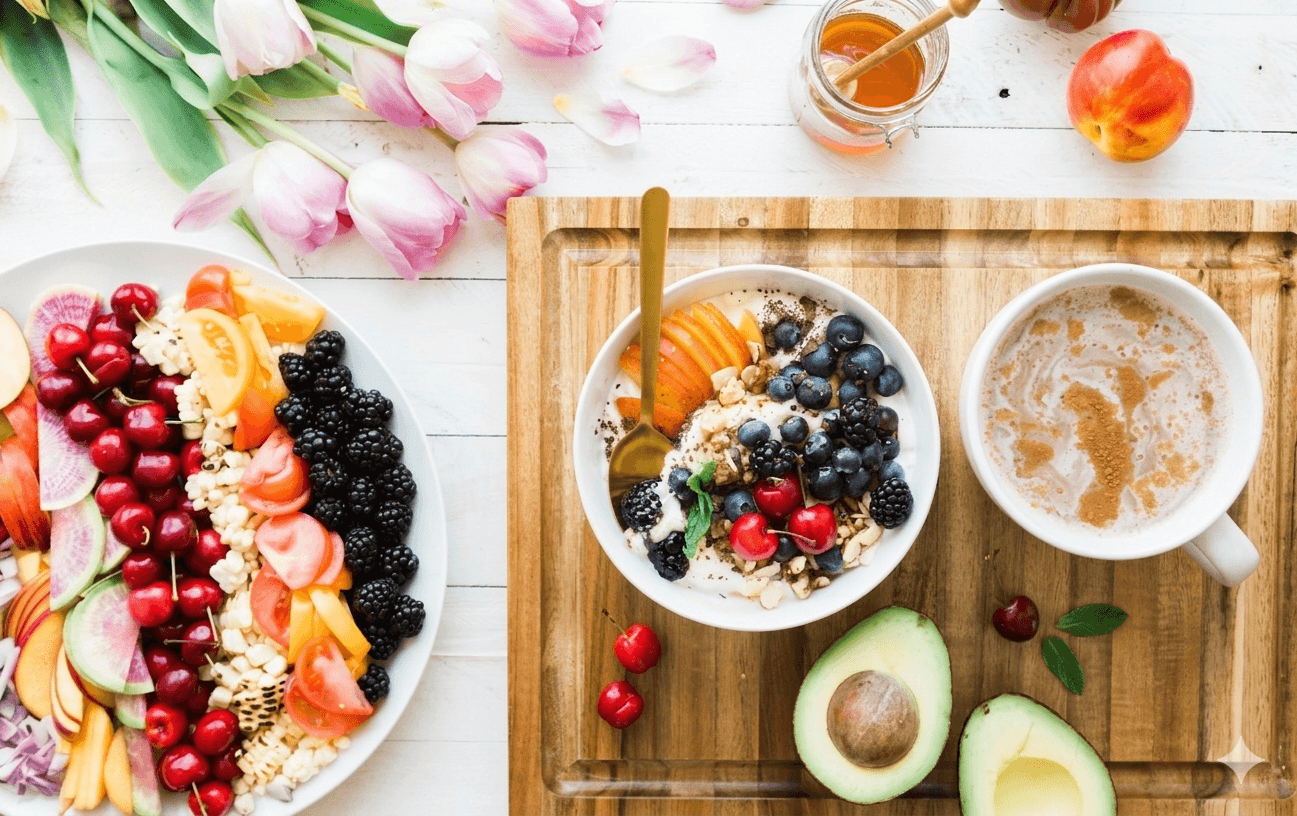
- Eat more whole, natural foods — fruits and vegetables, nuts, seeds, whole grains, lean proteins. Instead of sugary cereal, try oatmeal with fruit and nuts. Instead of white bread, try whole grain.
- Cook at home when you can. When you cook at home, you know exactly what's in your food, and you can avoid preservatives. Plus, cooking is fun and relaxing.
The 80/20 rule
Healthy eating doesn't need to be perfect. Some people follow the 80/20 rule — eating healthy foods 80% of the time and less healthy foods 20% of the time. The key is to make healthy choices most of the time and find a balance that works for you.
A reminder
Fitness and healthy living are personal. What works for one person might not work for another, and that's okay. Find what feels good for you and what works for you. Listen to your body.
Your turn
If you have a healthy-living story or want to suggest a future topic, drop me a message. I'd love to hear what's worked for you.
Full Hebrew + English transcript below.