In this episode, I take you to Eilat, my favourite city in Israel and the place where my husband Alon grew up. From snorkelling in the Red Sea and trips into the desert, to Timna Park, tax-free shopping, and the views across to Jordan and Egypt, I share why this southern city feels like a second home.
Episode 7 - Eilat
Hello everyone, and welcome to the new episode of the podcast "Yalla: Learning Hebrew with Steph." I'm Steph, and today we're going to talk about the city I love most in Israel - Eilat! This episode is very special for me, because Eilat is the city where Alon, my husband, grew up. And so it's a place that's important to me too.
Before we begin, I want to say that I've created a new website for you. There you can find all the episodes of the podcast, transcripts of the episodes, and more. If that interests you, you can visit www.hebrew-with-steph.com or just type "hebrew with steph" into Google. Okay, let's get started!
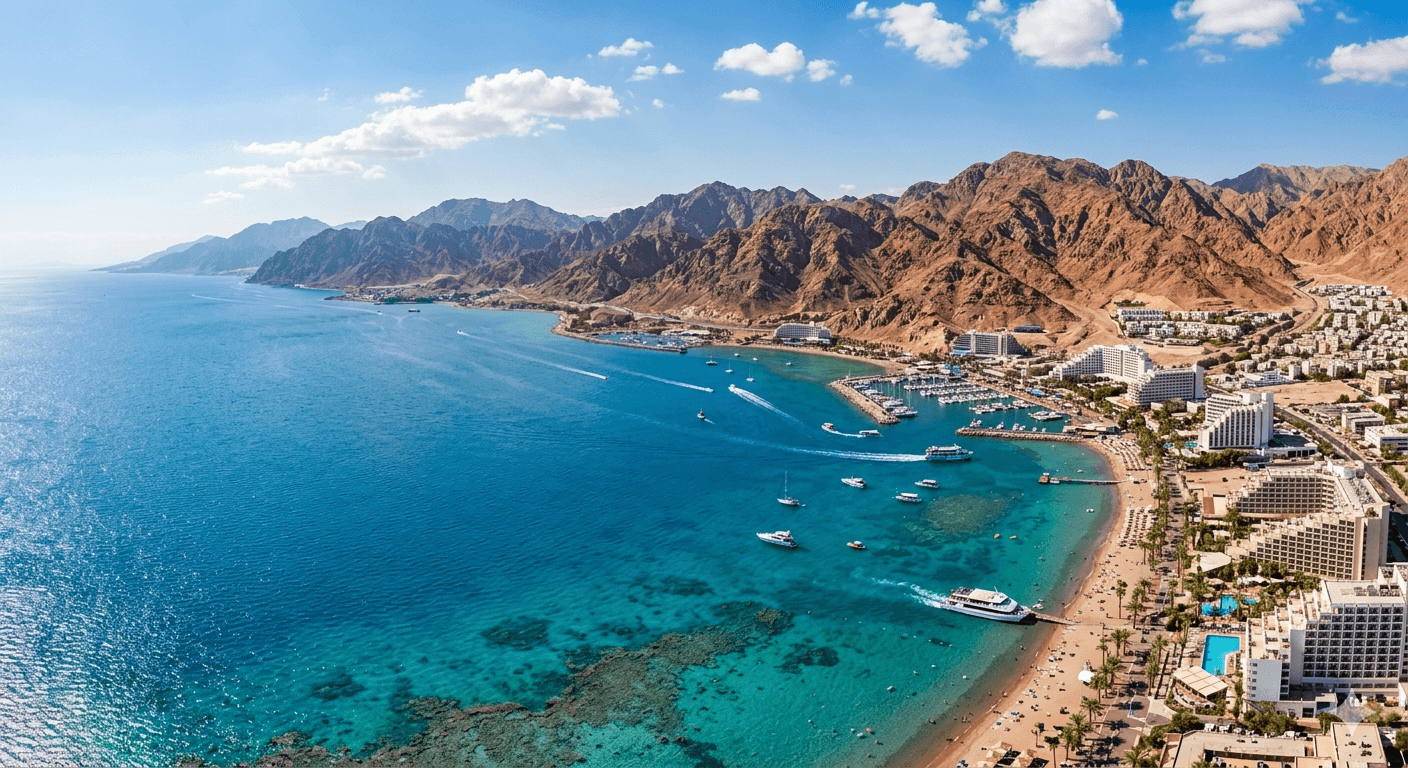
If you've been to Israel, you probably know that it's a small country but with a great variety of different places. You can see the green mountains in the north and the great desert in the south, all within a few hours. At the southern tip of the country lies the city of Eilat. Eilat is on the shore of the Red Sea and is famous for its hot weather, beautiful beaches, and blue sea full of corals and fish. It's a very popular place for Israelis, especially in winter when the rest of the country is cold and wet. When Tel Aviv is at 15°C in January, the temperature in Eilat is still between 20 and 25°C - and that's the reason so many people visit there.
I remember when Alon and I had just met, before I'd ever visited Israel. He'd show me videos and photos of Eilat, and I couldn't believe what I was seeing. The blue, clear sea, the desert mountains, the palm trees - I couldn't believe this was where he grew up. Eilat looked to me like a holiday destination, not like a regular city to live in. I come from a small town in England where the skies are grey most of the time. So for me, Eilat looked like another planet - it was so different from everything I knew.
The first time I visited Eilat was in September 2021, and it was a big shock for me. I knew it would be hot, but I wasn't ready for 40°C. I'd never experienced anything like it. In England, we don't know temperatures like that. It was almost impossible to go outside, and I was really glad we had air conditioning. I remember thinking to myself, how do people live here? But Alon and his family were already used to it. The sun didn't seem to bother them too much. I tried to stay in the shade as much as possible. Tzel (shade) is a place with no sun - for example, under the trees. It really makes me laugh to look back on it now. After that visit I understood that the most pleasant time to visit Eilat is in winter.
For most people, Eilat is a leisure spot you go to for a weekend break and to do some shopping. I think, for me, it's much more than that. Because Alon grew up there, on every visit we walk around the city and he tells me lots of memories and experiences from his childhood, places he loves going, and so on. It gives the city a different meaning for me.
The thing I love most about Eilat is snorkelling. The Red Sea is famous for its corals and its colourful fish and even dolphins! And you don't need to swim far to see them. You just have to get into the sea with a snorkel and within a few minutes you can see everything. When I first got into the sea in Eilat, it really was like watching a nature documentary, but in real life. I really recommend trying it. But if you don't want to snorkel, there's also the Underwater Observatory. There you can go below the sea and look through the glass at lots of fish and corals.
The city of Eilat is tax-free. That means you don't have to pay VAT (ma'am / tax in English) on things you buy, so everything is roughly 20% cheaper than anywhere else in Israel. Because of this, many Israelis visit Eilat especially to go shopping, and it's very common to see people walking around with loads and loads of bags full of things they've bought.
Now, Eilat has not only the sea and shopping, but also a beautiful desert that surrounds the city. One of my favourite memories from visiting Alon's family was a trip we took into the desert to make a poike. A poike is something a lot of people do when they're out on trips in Israel — you take a cast-iron pot and put in meat, vegetables, potatoes, and spices, and then cook it slowly over a fire for a few hours. The word poike is actually the name of the pot, not the food and in Afrikaans it means "small, round pot." If anyone ever offers to make a poike with you in the desert in Israel, say yes - it's not just a meal, it's really an experience.
Another thing I really enjoyed doing in Eilat was visiting Timna Park, which is about a 25-minute drive north of Eilat. Timna Park is a desert area with a lot of history and geology. There are very special rocks and minerals there. The park has a visitors' centre that tells the story of the area. In addition, there are lots of walking trails, and trails where you can travel by bike or by car and enjoy the nature and the beauty of the place.
Another thing that's very special about Eilat is its location. Eilat sits between the border with Jordan and the border with Egypt, and you can see both from the city. If you look out at the sea, on one side you can see the mountains of Jordan and Saudi Arabia, and on the other side you can see the beaches of Egypt. One of the interesting places to visit in Jordan is called Petra, and it's one of the Seven Wonders of the World. I really hope I get to visit there one day.
If I had to describe Eilat in three words, I'd say: special, hot, and surprising. And for me, it will always be more than just a holiday spot. It feels like a second home. If you live in Israel, or are coming to visit, I highly recommend visiting Eilat, especially if you want a break from the busy cities like Tel Aviv and Jerusalem.
That's all for today's episode. I really hope you enjoyed it and learned something new about Eilat, and maybe I've even made you want to visit. If you've been to Eilat before, or you have tips for other places to visit in Israel, I'd love to hear from you. You can leave a message on my website, or comment here on the podcast. I'll put a link to my website in the podcast description.
Lastly, if you have questions or ideas for topics I could talk about on the podcast, you're more than welcome to send me a message! And of course, you can find the transcript of the podcast on my website www.hebrew-with-steph.com.
Thank you so much for listening to another episode of "Yalla: Learning Hebrew with Steph." Until next time — take care and keep learning.
פרק 7 - אילת
שלום לכולם וברוכים הבאים לפרק החדש של הפודקאסט ״יאללה: לומדים עברית עם סטף״. אני סטף והיום אנחנו נדבר על העיר שאני הכי אוהבת בארץ - אילת! הפרק הזה הוא מאוד מיוחד בשבילי כי אילת היא העיר שבה אלון, בעלי, גדל. ולכן היא מקום שחשוב לי גם.
לפני שאנחנו מתחילים, אני רוצה להגיד שאני יצרתי אתר אינטרנט חדש בשבילכם. שם אתם יכולים למצוא את כל הפרקים של הפודקאסט, תמלילים או transcripts של הפודקאסטים ועוד. אם זה מעניין אתכם, אתם יכולים לבקר ב-www.hebrew-with-steph.com או פשוט לרשום hebrew with steph בגוגל. טוב, בואו נתחיל!
אם אתם הייתם בישראל, אתם כנראה יודעים שהיא מדינה קטנה אבל עם מגוון של מקומות שונים. אפשר לראות את ההרים הירוקים בצפון וגם את המדבר הגדול בדרום בתוך כמה שעות. בקצה הדרומי של הארץ, נמצאת העיר אילת. אילת נמצאת על שפת הים האדום והיא מפורסמת בזכות מזג האוויר חם, חופים יפים וים כחול עם הרבה אלמוגים ודגים. היא מקום מאוד פופולרי לישראלים, במיוחד בחורף כששאר הארץ קרה ורטובה. כשבתל-אביב יש 15 מעלות בינואר, הטמפרטורה באילת היא עדיין בין 20 ל 25 מעלות, וזו הסיבה שהרבה אנשים מבקרים שם.
אני זוכרת כשאלון ואני רק נפגשנו, לפני שביקרתי בישראל. הוא הראה לי סרטים ותמונות של אילת ולא יכולתי להאמין למה שאני רואה. הים הכחול והצלול, ההרים של המדבר, עצי הדקל - אני לא יכולתי להאמין שזה איפה שהוא גדל. אילת נראתה לי כמו יעד נופש, לא כמו עיר מגורים רגילה. אני מגיעה מעיר קטנה באנגליה שבה השמיים אפורים רוב הזמן. אז בשבילי אילת נראתה כמו כוכב אחר - זה היה כל כך שונה מכל מה שהכרתי.
הפעם הראשונה שביקרתי באילת הייתה בספטמבר 2021 וזה היה שוק גדול בשבילי. ידעתי שיהיה חם אבל אני לא הייתי מוכנה ל-40 מעלות. אף פעם לא חוויתי את זה. באנגליה, אנחנו לא מכירים את הטמפרטורות האלה. היה כמעט בלתי אפשרי לצאת החוצה והייתי ממש שמחה שהיה לנו מזגן. אני זוכרת שחשבתי לעצמי, איך אנשים גרים פה? אבל אלון והמשפחה שלו היו כבר רגילים לזה. לא היה נראה שהשמש מפריעה להם יותר מידי. אני ניסיתי להיות בצל כמה שיותר. צל הוא מקום שאין בו שמש, למשל מתחת לעצים. זה נורא מצחיק אותי להיזכר בזה. אחרי הביקור הזה הבנתי שהזמן שהכי נעים לבקר בו באילת הוא בחורף.
עבור רוב האנשים, אילת היא מקום בילוי שבאים אליו לחופשה בסוף השבוע ועושים שופינג. אני חושבת שבשבילי, היא הרבה יותר מזה. בגלל שאלון גדל שם, בכל ביקור שלנו באילת אנחנו מסתובבים בעיר והוא מספר לי המון זכרונות וחוויות מהילדות שלו, מקומות שהוא אוהב ללכת אליהם ועוד. זה נותן לעיר משמעות שונה בשבילי.
הדבר שאני הכי אוהבת באילת הוא לעשות שנורקלינג. הים האדום מפורסם בגלל האלמוגים והדגים הצבעוניים, ואפילו דולפינים! ולא צריך לשחות רחוק כדי לראות אותם. אתם רק צריכים להיכנס לים עם שנורקל ובכמה דקות אפשר לראות את הכל. כשנכנסתי לים באילת בפעם הראשונה זה היה ממש כמו לצפות בסרט טבע אבל במציאות. אני מאוד ממליצה לנסות את זה אבל אם אתם לא רוצים לעשות שנורקלינג, יש גם את המצפה התת-ימי. שמה אפשר לרדת מתחת לים ולראות דרך זכוכית, הרבה דגים ואלמוגים.
העיר אילת פטורה ממס. זה אומר שלא צריך לשלם מע"מ או tax באנגלית על דברים שקונים ולכן כל דבר זול יותר בערך ב-20 אחוזים מכל מקום אחר בישראל. בגלל זה הרבה ישראלים מבקרים באילת במיוחד כדי ללכת לקניות, וזה מאוד נפוץ לראות אנשים עם המון המון שקיות שמלאות בדברים שהם קנו.
עכשיו, באילת יש לא רק ים וקניות אלא גם מדבר יפה שמקיף את העיר. אחד הזיכרונות שלי שאני הכי אוהבת כשביקרתי את המשפחה של אלון, היה טיול שעשינו במדבר כדי לעשות פויקה. פויקה הוא משהו שהרבה אנשים עושים כשהם מטיילים בישראל - לוקחים סיר מברזל יצוק ושמים בו בשר, ירקות, תפוחי אדמה ותבלינים ואז מבשלים לאט במדורה לכמה שעות. המילה פויקה היא בעצם השם של הסיר ולא האוכל, ובשפת האפריקאנס המשמעות היא סיר קטן ועגול. אם מציעים לכם לעשות פויקה במדבר בישראל, תגידו כן - זאת לא רק ארוחה, זאת ממש חוויה.
עוד משהו שממש נהנתי לעשות באילת הוא לבקר בפארק טימנע שנמצא בערך 25 דקות נסיעה מצפון לאילת. פארק טימנע הוא איזור במדבר עם הרבה היסטוריה וגיאולוגיה. יש שם סלעים ומינרלים מאוד מיוחדים. בפארק יש מרכז מבקרים שמספר את הסיפור על האיזור. בנוסף לזה, יש שם גם הרבה מסלולי הליכה ומסלולים שבהם אפשר לסוע עם האופניים או עם הרכב ואפשר להינות מהטבע ומהיופי של המקום.
עוד דבר שמאוד מיוחד באילת הוא איפה שהיא נמצאת. אילת נמצאת בין הגבול עם ירדן לבין הגבול עם מצריים ואפשר לראות את שתיהן מאילת. אם מסתכלים על הים, אפשר לראות מצד אחד את ההרים של ירדן ואת ערב הסעודית, ומצד שני אפשר לראות את החופים של מצריים. אחד המקומות המעניינים לבקר בהם בירדן נקרא ״פטרה״ והוא אחד משבעת פלאי עולם. אני מאוד מקווה שיום אחד יצא לי לבקר שם.
אם הייתי צריכה לתאר את אילת בשלוש מילים, אני הייתי אומרת: מיוחדת, חמה ומפתיעה. ובשבילי, היא תמיד תהיה יותר מרק מקום לחופשה. היא מרגישה כמו בית שני. אם אתם גרים בישראל או באים לבקר, אני ממליצה מאוד לבקר באילת, במיוחד אם אתם רוצים הפסקה מהערים העמוסות כמו תל-אביב וירושלים.
זה הכל לפרק של היום. אני מאוד מקווה שנהנתם ולמדתם משהו חדש על אילת ואולי אפילו גרמתי לכם לרצות לבקר באילת. אם אתם הייתם פעם באילת או יש לכם טיפים למקומות אחרים לבקר בארץ, אני מאוד אשמח לשמוע ממכם. אתם יכולים לפרסם הודעה באתר שלי או להגיב כאן על הפודקאסט. אני אשים לינק לאתר שלי בתיאור של הפודקאסט.
לבסוף, אם יש לכם שאלות או רעיונות לנושאים שאני יכולה לדבר עליהם בפודקאסט שלי אתם מוזמנים לשלוח לי הודעה! וכמובן, אתם יכולים למצוא את ה-transcript או תמליל של הפודקאסט באתר שלי www.hebrew-with-steph.com.
תודה רבה שהקשבתם לעוד פרק של הפודקאסט ״יאללה - לומדים עברית עם סטף״ ועד הפעם הבאה - take care and keep learning.
Show notes
What you'll learn in this episode
Why Eilat is so different from anywhere else in Israel — desert, sea, palm trees, all in one
The Hebrew vocabulary you'll actually need for visiting (shade, sea, beach, snorkelling, desert)
What a poike is and why you should say yes if anyone offers to make one with you
Insider knowledge — Alon grew up in Eilat, so this isn't a tourist guide
Why Eilat is tax-free and how Israelis use that
Where Eilat sits — and why that matters
Israel is small but extraordinarily varied. In a few hours you can drive from green northern mountains to vast southern desert. At the very southern tip, on the shore of the Red Sea (הים האדום / hayam ha'adom), is אילת (Eilat).
Eilat is famous for hot weather, beautiful beaches, and a blue sea full of corals (אלמוגים / almogim) and fish. Israelis flock there in winter — when Tel Aviv is 15°C in January, Eilat is still 20–25°C. That single fact explains most of the city's tourism.
It also sits on a remarkable border. Look out at the sea and you can see the mountains of Jordan and Saudi Arabia on one side, and the beaches of Egypt on the other. One of the seven wonders of the world — פטרה (Petra) — is just over the Jordanian border.
My first visit (and the word tzel)
I first visited Eilat in September 2021. I knew it would be hot. I was not ready for 40°C. In England we don't know temperatures like that — going outside felt impossible.
That's where I learned the word צל (tzel) — shade, a place with no sun, like under a tree. I tried to stay in tzel as much as possible. Alon and his family barely noticed the heat. After that visit I learned the lesson every Israeli already knows: the best time to visit Eilat is winter.
Why Eilat is special — even beyond the sea
For most people Eilat is a weekend getaway with shopping. For me it's more — Alon grew up there, so every visit is layered with his stories. Walking through the city, he'll point out memories and experiences from his childhood, places he loves going. It gives the place a kind of meaning a tourist guide can't.
A few of the things I love most:
Snorkelling in the Red Sea
The Red Sea is famous for its corals, colourful fish, and even dolphins (דולפינים / dolfinim). You don't need to swim far — just get in with a snorkel and within a few minutes you're watching what feels like a nature documentary in real life. If you'd rather stay dry, the מצפה תת-ימי (mitzpeh tat-yami, Underwater Observatory) lets you go below the surface and watch the sea life through glass.
The desert and the poike
The desert (מדבר / midbar) wraps right around Eilat. One of my favourite memories is a desert trip with Alon's family to make a פויקה (poike) — a slow-cooked stew of meat, vegetables, potatoes, and spices, made over a fire in a cast-iron pot. The word poike is actually the name of the pot, not the food — it's from Afrikaans and means "small, round pot". If anyone in Israel ever offers to make a poike with you in the desert, say yes. It's not just a meal; it's an experience.
Timna Park
About 25 minutes north of Eilat is פארק טימנע (Park Timna), a desert park with a lot of history and geology — special rocks and minerals. There's a visitors' centre that tells the story of the area, plus walking trails and routes you can drive or cycle. Easy half-day trip out from Eilat.
Eilat is tax-free
A practical detail every Israeli knows: Eilat is פטורה ממס (petura mi'mas) — tax-free. You don't pay מע"מ (ma'am, VAT) on what you buy. Everything is roughly 20% cheaper than the rest of the country. That's why you'll see Israelis walking around the city with bags and bags of shopping — it's a real reason to make the trip.
Three words for Eilat
If I had to describe Eilat in three words, I'd say: special, hot, and surprising. For me, it'll always be more than a holiday spot — it feels like a בית שני (bayit sheni, second home). If you live in Israel or are coming to visit, especially if you want a break from busy Tel Aviv or Jerusalem, I'd send you straight there.
Have you been?
If you've been to Eilat or have tips for other places to visit in Israel, I'd love to hear from you. Drop me a message via the contact page or comment on the podcast. And if you have ideas for future episodes, send them my way.